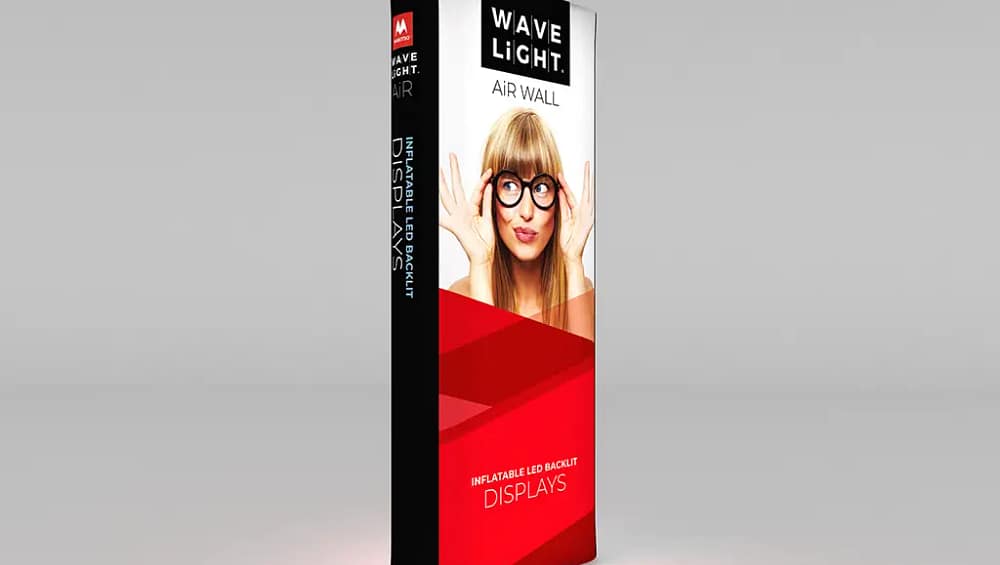
Understanding inflation requirements for WaveLight® Air Wall displays is crucial for Australian marketers and event managers who rely on tight bump-in windows. These portable illuminated displays offer fast setup and strong visual impact, but incorrect inflation can compromise stability, safety and product lifespan. By knowing the right equipment, pressure range and compliance checks, event teams can avoid delays on site and keep campaigns running smoothly.
Why inflation requirements matter for portable displays
Inflatable event display walls are popular because they’re lightweight, quick to deploy and visually striking in busy exhibition halls. However, under-inflation can leave walls soft, prone to flexing and more likely to topple if bumped by crowds. Over-inflation, by contrast, stresses seams, zips and LED components, increasing the risk of failures mid-show. For organisers using lightweight exhibition stands across multiple venues, consistent inflation practices help protect warranties and reduce repair or replacement costs over time.
Key inflation requirements for WaveLight Air Wall displays
Most inflatable systems operate in a low-pressure range, often around 1.5–2.5 PSI, though exact figures depend on size and model. The WaveLight system typically pairs a continuous or high-output electric pump with a dedicated valve, bringing the structure to working pressure within about 10–15 minutes. Correctly inflated walls feel firm but not rigid, with no hard, overstretched seams or visible sagging. Teams managing multiple portable display solutions should document preferred pump models, valve adapters and timings so crew can reproduce reliable results at each event.

Comparing inflation methods and equipment
Event teams choosing between pump options need to weigh setup speed, noise and redundancy. External electric pumps are flexible, easily shared between LED backlit fabric walls and other inflatable gear, and can be swapped quickly if one fails. Built-in fans simplify logistics but may be harder to service on the road, particularly for regional events. Manual pumps are generally impractical for large walls, so most production crews standardise on electric solutions that suit easy-transport exhibition systems and comply with venue power rules.
- Confirm pump compliance with AS/NZS electrical standards before use on site.
- Test inflation time for each wall size during pre-event rehearsals.
- Inspect seams, valves and zips regularly for wear or minor leaks.
- Assign ballast or anchoring suited to venue WHS and crowd conditions.
- Document preferred settings for different lightweight trade show backdrops.
For many brands, the Wavelight Air Wall sits alongside custom fabric banners, compact trade show signage and modular branded backdrop solutions within a wider display toolkit. When planning a stand, compare sealed-air and continuous-air configurations, factoring in venue noise limits, power access and overnight operating requirements. Teams working with portable display specialists can also integrate custom printed SEG graphics or complementary lightweight trade show backdrops for a cohesive look across multiple shows. To assess which combination of inflatable systems, portable illuminated displays and easy-transport exhibition systems best suits your program, speak with an Australian supplier experienced in inflatable event display walls and book a consultation to review options in detail.