
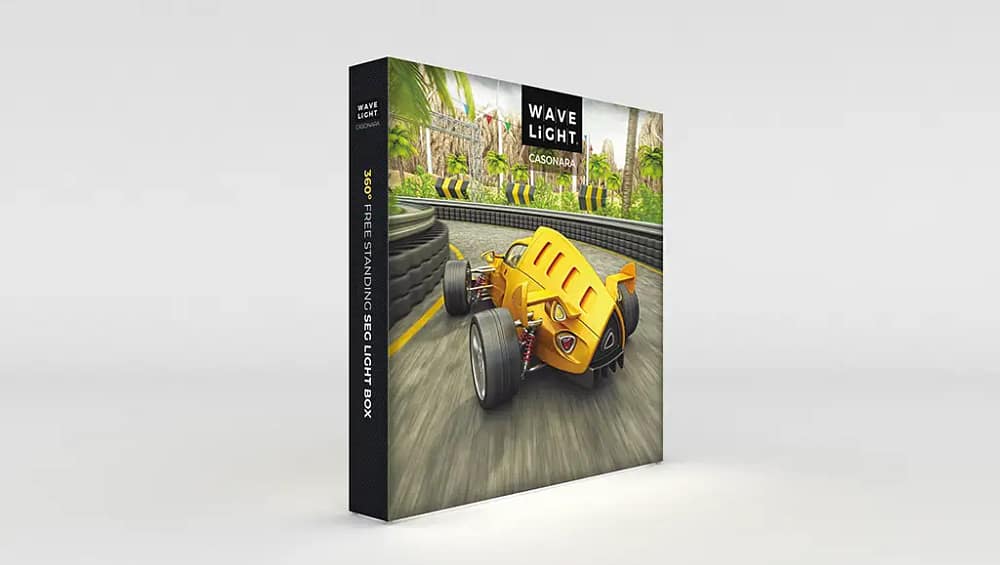
WaveLight Casonara Banners: A Comprehensive Buying Guide
WaveLight Casonara Banners have become a go‑to choice for Australian exhibitors who need brighter, more contemporary display solutions than traditional pull‑ups. By combining a silicone‑edged fabric graphic with an internal LED lightbox, these systems create an even, high‑contrast glow that cuts through crowded exhibition halls and retail environments. For marketers juggling tight stand footprints and tougher competition, the key question is how to select the right mix of backlit fabric banner displays to meet brand and budget goals.
How WaveLight Casonara technology works
At the core of this technology is a lightweight aluminium frame that assembles quickly, often using tool-free exhibition display frames suited to fast bump‑in schedules. Fabric graphics finished with a silicone edge gasket slide into the frame channel, stretching tight for a smooth, frameless look. Behind the graphic, rows of low‑voltage LEDs provide consistent illumination while keeping heat and power use in check. The result is premium event display signage that looks polished in photographs, on social media and under variable venue lighting.
Comparing illuminated event signage options
When weighing up event signage options, it helps to compare WaveLight systems with other custom fabric displays, hanging signs and traditional pop‑ups. Standard non‑lit banners remain economical for bright conference centres but struggle in dim foyers or evening activations. By contrast, portable illuminated trade show stands draw the eye from several aisles away, improving dwell time and message recall. Exhibitors planning national tours often combine backlit walls with counters or towers, using reusable trade show light boxes to reconfigure layouts between venues.

Configuration choices and when they work best
The first decision is footprint: narrow towers suit shopping centre corridors, while wider back walls align with 3×3 and 6×3 metre shell schemes. Modular SEG lightbox systems allow multiple units to connect, giving flexibility for different stand sizes over a full event calendar. Brands in open island sites often invest in double-sided backlit graphics so messaging is visible from every aisle. For teams travelling interstate, lighter portable banner solutions and cases that fit within airline allowances can reduce freight spend and complexity.
- Confirm typical stand sizes and sightlines before choosing heights and widths.
- Check LED brightness, diffusion quality and power requirements for each venue type.
- Review fabric print methods, colour accuracy and replacement graphic costs.
- Assess packed weights, case durability and staff capacity for transport and setup.
- Compare warranties, local support and availability of spare parts in Australia.
For Australian marketers, the real value of WaveLight Casonara Banners lies in long‑term versatility across exhibitions, product launches and high-impact retail lightbox signage. A specialist supplier can advise whether single‑sided walls, corner configurations or freestanding towers will best support your program. They can also map which campaigns justify investing in backlit fabric banner displays versus simpler, non‑lit hardware. If you’re planning your next season of shows, now is an ideal time to review your kit and request a consultation to test layouts, artwork and budget scenarios before locking in your illuminated display strategy.


