
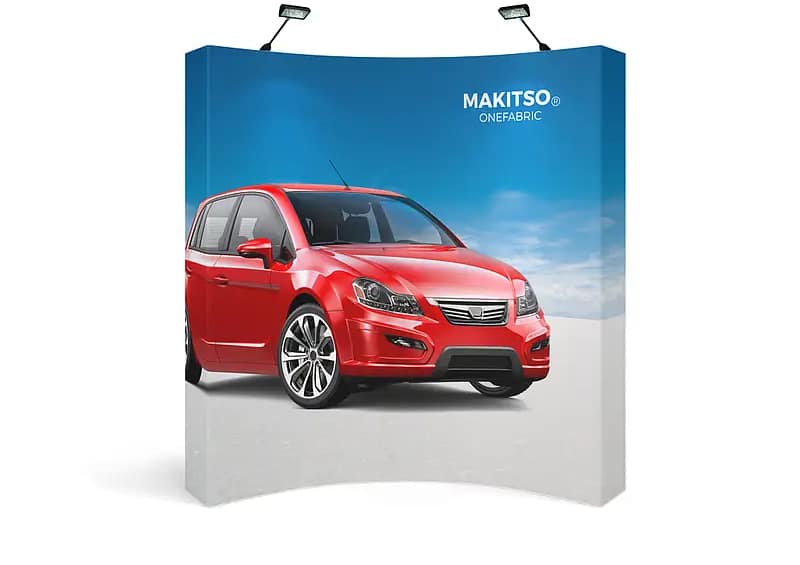
The Lightweight Advantage of OneFabric® Pop-Up Banners is reshaping how Australian marketers think about portable advertising solutions. As freight costs rise and venue safety rules tighten, many teams are questioning whether traditional pull-up banners and modular walls still make practical sense. OneFabric Pop-Up Banners offer a lighter, fabric-based alternative that can still deliver a full-height, exhibition-grade presence while easing the strain on travel budgets and staff.
The Lightweight Appeal for Australian Event Teams
Unlike older systems that can exceed 20 kilograms per case, modern lightweight fabric backdrops typically sit between 10 and 25 kilograms, including aluminium frame and printed skin. For small marketing teams juggling multiple events, that difference means one person can safely move and assemble an entire stand. Agencies managing several brands also value compact exhibition stands that slide into a car boot or office cupboard instead of monopolising warehouse shelving.
How Fabric Pop-Up Systems Work in Practice
These systems rely on a collapsible aluminium frame that expands in seconds and locks into place without tools, allowing genuinely tool free display setup. A tensioned fabric graphic stays attached to the frame, cutting install time to minutes and reducing the risk of lost components. This streamlined engineering removes bulky panels and hinges, which not only reduces overall weight but also helps reusable pop up displays survive frequent interstate travel and courier handling.

When Lightweight Solutions Deliver the Biggest Payoff
The benefits are most obvious for organisations on the road: trade expos in Sydney and Melbourne, regional field days, shopping centre activations and campus roadshows. For these circuits, collapsible event signage that can be checked in as standard luggage often removes the need for pallets or venue contractors. Brands running frequent campaigns also value custom fabric displays that can be re-skinned for new messages without replacing the underlying frame, stretching budgets further across the year.
- Compare straight versus curved frames for sightlines and stand layouts.
- Check packed weight and case dimensions against major airline limits.
- Confirm fire-retardant ratings and venue compliance requirements.
- Assess print quality, fabric durability and replacement skin costs.
- Consider add-ons such as counters, lighting and tablet mounts.
When weighing options, Australian buyers should look beyond headline weight and examine how each system will function across a full events calendar. Portable trade show displays with integrated counters or shelving may increase overall kilograms but reduce the need for separate freighted items. A tension fabric backwall can anchor branded display solutions, while complementary event marketing tools like flags or tablet stands extend visibility into open aisles and foyers.
Expert guidance remains valuable because no two schedules or venues are identical, and the wrong choice can embed unnecessary cost for years. A specialist can review your logistics, from staff capacity to airline rules, then recommend a mix of OneFabric Pop-Up Banners, lightweight counters and other portable advertising solutions that balance impact, durability and price. To map out a kit that will work across your next 12–24 months of shows, speak with a display consultant and compare configurations before you invest.


