
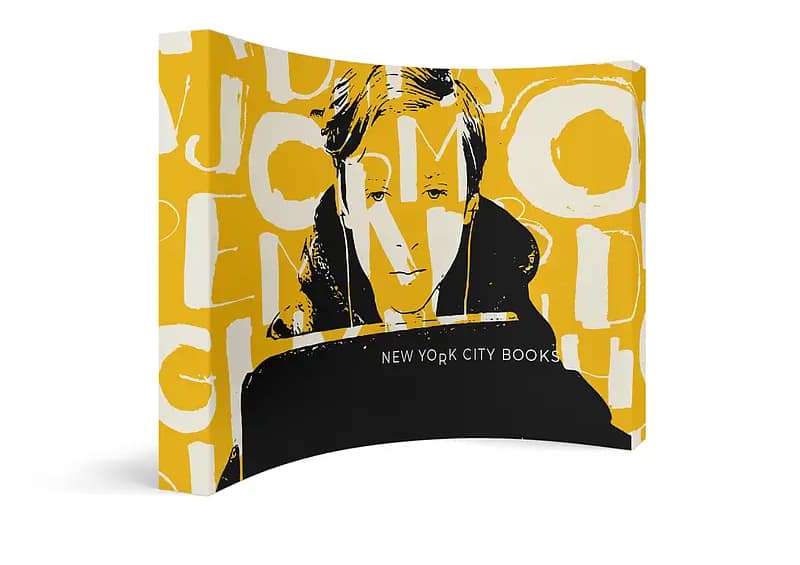
In Australia’s hyper-competitive event landscape, brands are under pressure to deliver measurable impact from every square metre of stand space. OneFabric Pop-Up Banners have emerged as a strategic platform rather than just another item of compact exhibition signage. When treated as part of a broader communications ecosystem, they enable marketers to test messaging, regionalise campaigns quickly, and maintain brand consistency across national roadshows, conferences, and in-store activations.
Why OneFabric Pop-Up Banners Are a Strategic Asset
Forward-looking Australian marketers now view fabric systems as infrastructure, not consumables. High-quality frames, wrinkle-resistant skins, and lightweight display stands reduce freight costs and extend asset life, making budgets work harder over multiple seasons. The true value lies in agility: teams can pivot messaging between sectors, states, or audience segments without redesigning an entire stand. In a climate of tightened procurement and sustainability scrutiny, this versatility directly supports better commercial governance.
Designing Custom Fabric Displays for Narrative Impact
The most effective custom fabric displays are built around a single, testable proposition rather than a product catalogue. Treat the backdrop as a narrative arc: a bold promise at eye level, a simple proof point, and a clear next step. Integrated QR codes, portable trade show graphics, and concise benefit-led copy help guide visitors from passive viewing to active engagement. By planning variants of the same layout, marketers can A/B test headlines across cities and feed learnings back into broader brand strategy.

From Hardware Choice to High-Performance Storytelling
Choosing between a curved wall, tension fabric backwall, or serpentine configuration should be driven by traffic flow and desired interaction, not aesthetics alone. For example, branded fabric backdrops with integrated shelves or screens work well for product storytelling, while slimmer frames suit venues with strict footprint limits. When combined with thoughtful professional booth branding, these systems can anchor portable advertising solutions that feel cohesive from a distance yet detailed up close.
Leaders in event marketing tools increasingly look at lifecycle value rather than single-show cost. Reusable event displays allow messaging to evolve while the underlying hardware remains constant, supporting sustainability commitments and reducing waste. Teams can rotate skins to differentiate between institutional audiences, consumer shows, and partner events, while retaining familiar pop up marketing displays staff know how to assemble. The result is a modular, data-informed approach to events that mirrors best practice in digital campaigns.
Treat every square metre of your stand as a testable asset, not static décor, and your fabric systems will start paying strategic dividends rather than simply filling space.
To extract full value from OneFabric Pop-Up Banners, Australian marketers should align creative, measurement, and logistics from the outset. Define the primary action, then design content, layout, and accessory choices around it. Consider how portable trade show graphics can be deployed across campuses, conference centres, and retail environments without diluting the story. When fabric systems are integrated into planning cycles alongside media and digital, they become powerful, measurable touchpoints rather than isolated print buys.
For teams reassessing their event footprint, now is the time to map which elements can shift to portable, fabric-based formats and which still require custom builds. Analyse performance by audience, venue type, and campaign objective, then prioritise investments that strengthen your core fabric toolkit. To explore how lightweight display stands and portable advertising solutions can underpin a more agile events program, speak with a specialist who understands Australian venue logistics, brand governance, and ROI expectations.
Next step: Review your current event assets and identify one upcoming activation where you can pilot a more modular, test-and-learn approach using fabric systems. Use that event as a live experiment, capture the data, and let the results guide your broader exhibition strategy.


