
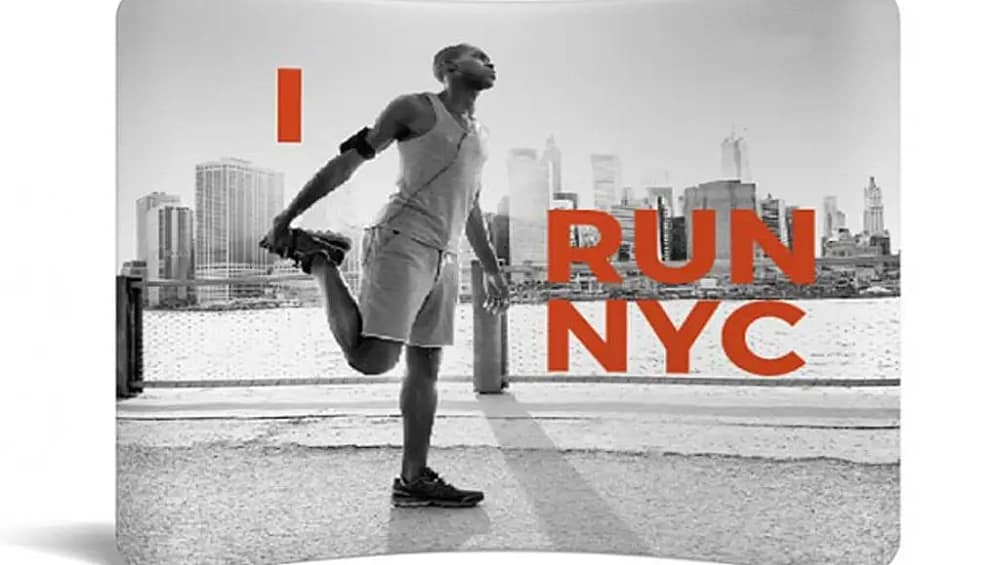
Portable trade show displays play a crucial role in how Australian brands present themselves at expos, conferences and in-centre activations. When teams weigh up Waveline Media Banners versus pop-up displays, they are really choosing between two distinct approaches to portability, visual impact and long-term flexibility. Both options can support strong trade show marketing tools, but the right fit depends on how often you travel, how you freight gear and how frequently your message changes.
Comparing Waveline Media Banners and Pop-Up Displays
Waveline Media Banners rely on tensioned fabric stretched over a lightweight aluminium frame, creating a seamless, contemporary look. Pop-up displays use a bulkier scissor or magnetic frame with rigid graphic panels that lock into place to form a solid wall. Both deliver large format banner graphics, yet they differ sharply in setup time, transport demands and how easily you can refresh campaigns. For marketers, understanding these structural contrasts is the starting point for choosing the most efficient system.
Lightweight Fabric Systems for Frequent Travel
Fabric-based banners are built for mobility, with frames and skins that pack into travel-friendly display kits suitable for car boots or checked airline luggage. The dye-sublimated fabric is usually machine-washable and non-reflective, helping brands maintain crisp, consistent colour under harsh venue lighting. These lightweight fabric backdrops suit university recruiters, regional sales teams and roadshow programs that bump in and out repeatedly. Because replacement skins are relatively affordable, they also support custom display solutions where messages change with each campaign or state-based promotion.

Structured Pop-Up Walls for Impact and Add-Ons
Pop-up displays are engineered to create a single, continuous wall that anchors a 3×3 or 3×6 stand, often doubling as branded conference backdrops. Their sturdier frames can support add-ons like shelves, monitor mounts and modular exhibition signage, turning the structure into a semi-permanent focal point. The trade-off is bulk: cases, frames and panels are heavier and usually better suited to courier or freight than public transport. Organisations that exhibit in the same footprint each year and rely on reusable display hardware tend to gain most from this format.
- Frequency of events and how often your creative or messaging changes across campaigns.
- Transport realities, including whether staff fly, drive or rely on freight services.
- Need for add-ons such as screens, shelving or custom event banner systems.
- Storage space, bump-in time and staff experience with portable banner stands.
- Budget split between initial hardware, replacement graphics and long-term maintenance.
Brands comparing Waveline Media Banners and pop-up walls should map their full event calendar against these factors rather than judging on price alone. Field teams and regional reps often prioritise portable banner stands and portable trade show displays that can be carried solo and set up in minutes. Central marketing departments may prefer large, dramatic walls that emphasise large format banner graphics for hero activations. Whichever path you lean towards, treating displays as long-term assets rather than one-off purchases will generally yield better ROI and more cohesive branding.
For marketers seeking a more tailored approach, specialist providers can help balance budget, logistics and design requirements across a full year of activity. An experienced display consultant can review your current kit, identify gaps and recommend custom event banner systems that pair hero walls with supporting elements. Whether you need modular exhibition signage for rotating campaigns or a handful of portable trade show displays for regional teams, expert advice can prevent costly missteps. To clarify which mix of solutions suits your schedule and objectives, consider booking a consultation and benchmarking your next stand against best-practice trade show marketing tools.


