WaveLight® Monolith Banners: A Beginner’s Guide
WaveLight Monolith Banners and the new visibility challenge
Across Australian expos and retail environments, WaveLight Monolith Banners are fast becoming the go-to solution for brands battling visual clutter. These backlit fabric banner displays promise striking illumination, but many first-time users treat them like ordinary portable banner stands. Without planning, the result is dull, uneven lighting and graphics that disappear in brightly lit venues. The real risk is not just wasted spend, but a critical loss of attention in spaces where every second of visibility matters.
Why WaveLight Monolith Banners are not just “another banner”
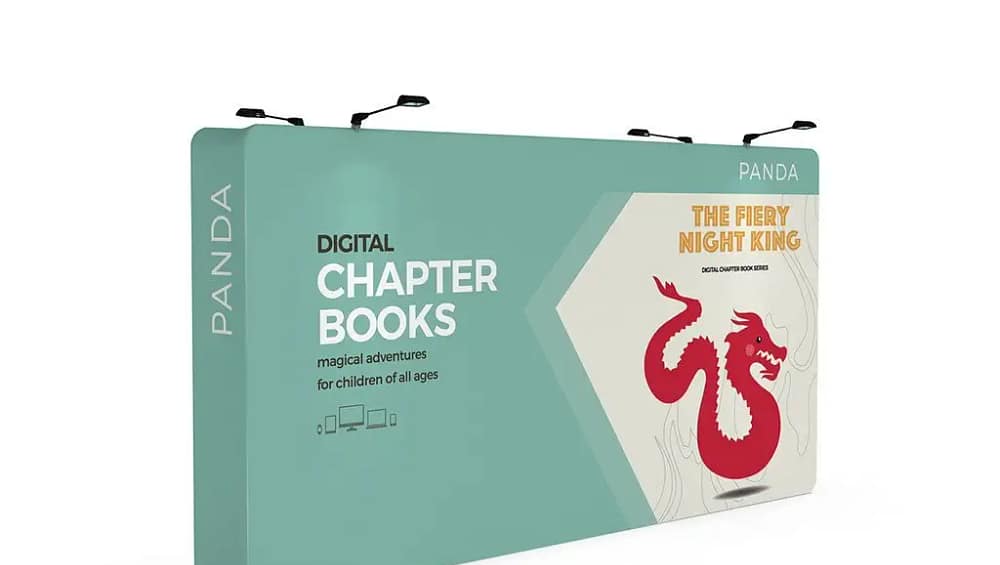
WaveLight Monolith Banners function more like reusable lightbox banner systems than simple printed skins. They depend on tensioned fabric, consistent LED placement and careful assembly to look premium. When rushed, frames twist, light strips shift and the fabric loses its edge-to-edge tension. In busy Australian exhibition halls, these flaws are highlighted, undermining the polished look brands expect from portable illuminated trade show stands and high-impact retail banner displays.
Design mistakes that weaken illuminated displays
The most common design failure is low-resolution artwork that seems fine on a laptop but breaks down once enlarged and lit from behind. Overloaded messaging is another trap, with marketers cramming copy that becomes unreadable from a distance. Poor colour choices, such as heavy blacks that swallow light or pale gradients that wash out, further reduce impact. These issues are usually only discovered at bump-in, when there is no time for reprints or alternative indoor event display solutions.

Operational, safety and placement risks
Because these systems are marketed as portable, teams sometimes arrive on-site having never done a full test build. This is where stability problems, uneven light bars and incorrect base fittings appear, raising both safety and compliance concerns. Power is another weak point, with multiple units often daisy-chained on a single board, risking outages and breaching venue rules. Poor placement choices, such as hiding units behind counters or near competing screens, further dilute the value of custom fabric displays and modular illuminated display systems.
- Artwork that looks pixelated, muddy or washed out when lit from behind.
- Visible LED hotspots, dark patches or frame shadows across the graphic.
- Banners that wobble when bumped, indicating unstable or incorrect assembly.
- Power leads snaking across floors or overloaded power boards at the stand.
- Dust, creases and fingerprints on fabrics that should look like premium SEG fabric signage.
For marketers investing in WaveLight Monolith Banners, the missed opportunity is clear: a technically advanced format used with basic banner habits. Regular test builds, clear artwork specifications and considered positioning can dramatically lift performance, whether for outdoor advertising solutions, lightweight exhibition banner stands or high-traffic retail zones. If these issues sound familiar, it may be time to review how your illuminated signage is planned, produced and deployed. Before your next campaign, speak with a display specialist about optimising backlit fabric banner displays so your brand genuinely stands out, not just lights up the same old mistakes.
To avoid repeating costly errors, assess your current illuminated signage against these warning signs and ask whether your WaveLight Monolith Banners are working as hard as your budget. A short consultation with an expert can clarify artwork standards, safety requirements and layout strategies tailored to your events. Taking action now helps ensure your portable illuminated trade show stands deliver consistent impact across campaigns, rather than becoming another underused asset packed away in storage.