
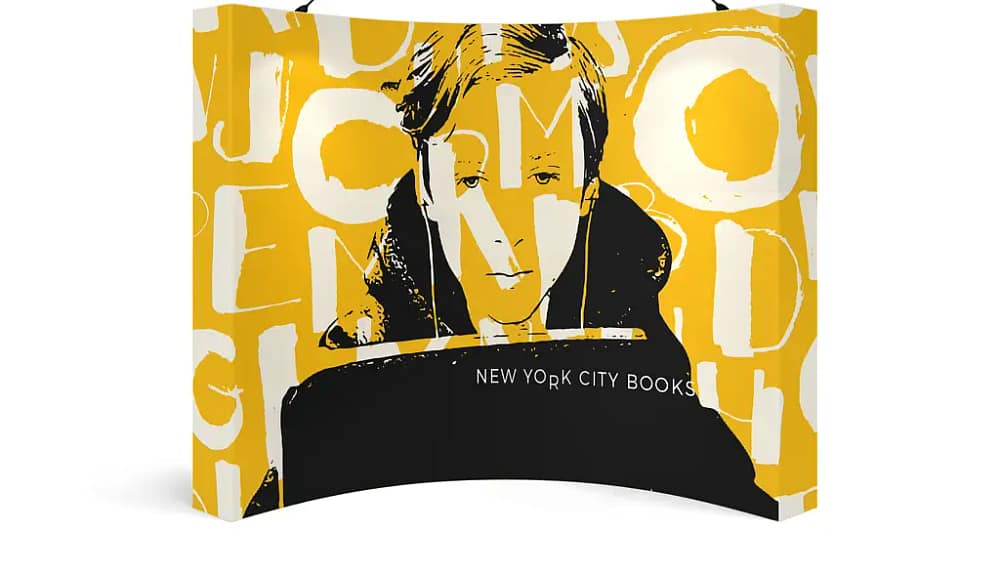
The Durability of OneFabric® Pop-Up Banners: What You Need to Know
The durability problem behind fabric pop-up displays
Across Australia’s trade shows, shopping centres and field events, portable signage rarely enjoys an easy life. Banners are packed into cars, dragged through venues and assembled under time pressure. The durability of OneFabric® Pop-Up Banners becomes crucial when brands expect the same kit to travel between cities for years. When displays wear out early, marketers face mounting reprint costs, inconsistent branded exhibition graphics and campaigns that lose impact halfway through their schedule.
How OneFabric® Pop-Up Banners are engineered – and where they fail
Most OneFabric® Pop-Up Banners combine tension fabric made from polyester with lightweight aluminium frames and dye-sublimation printing. On paper, this combination should deliver tough, colour-stable custom fabric displays that withstand frequent use. In practice, problems emerge when frames are forced, components are mixed between sets or banners are packed away damp. Tool free display systems invite team members to assemble them quickly, but rushed handling, over-tightened connectors and careless storage can dramatically shorten the system’s usable life.
Early warning signs your banners are nearing the end
Marketing teams often overlook subtle cues that their portable trade show displays are deteriorating. Fabric that no longer stretches smoothly across the frame, pooling or sagging at the edges, suggests permanent distortion. Colours that look washed out under LED exhibition lighting indicate UV or cleaning-related fade. Wobbling or leaning collapsible display stands, frayed seams and stitching that pulls away from the frame are all signs that structural integrity is compromised, even if the graphics still appear mostly on-brand.

Hidden risks and costs of worn event signage
Old banners do more than look tired. Unstable frames can collapse into aisles, creating hazards at busy expos and undermining confidence in your event marketing tools. Staff may quietly avoid using lightweight fabric backdrops they do not trust, reducing your presence at smaller activations. Relying on reusable event signage long after its prime can also lock you out of newer portable advertising solutions that pack smaller, transport more safely and align better with sustainability and brand standards.
- Fabric no longer sits taut on the frame, producing ripples across key messages.
- Colours appear dull compared with your digital artwork or recent print collateral.
- Frames creak, lean or require improvisation to stand upright on level flooring.
- Bags are torn, making transport riskier for graphics and metal components.
- Teams hesitate to book ambitious roadshows because they doubt the kit will cope.
These issues are avoidable if banners are treated as long-term assets rather than disposable props. Simple measures like drying graphics before pack-down, storing kits in climate-controlled spaces and training staff on correct fold patterns can extend the life of a tension fabric pop up. Regular inspections between shows help identify compact trade show banners and collapsible display stands that need repair before they fail on-site.
For organisations exhibiting frequently, it may be worth benchmarking how long OneFabric® Pop-Up Banners should realistically last in indoor conditions. If you are replacing kits every season, or struggling to maintain consistent portable trade show displays across your calendar, it is time to reassess your strategy. Speak with a specialist who can review your current portable advertising solutions, recommend more robust tool free display systems and help align your signage plan with future campaigns before wear and tear erodes your results.


