
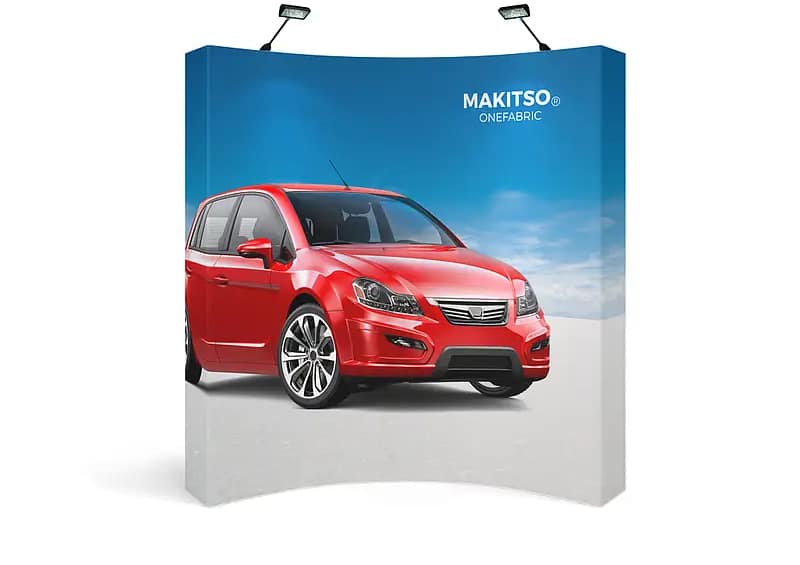
Best Practices for Transporting OneFabric® Pop-Up Banners
Many Australian marketers rely on OneFabric® Pop-Up Banners to deliver sharp branding at trade shows, conferences and regional roadshows. These lightweight fabric pop up displays are designed for quick set-up and pack-down, but they’re still vulnerable to damage in transit. Scratched frames, creased graphics and warped components can all undermine the professional finish you need from portable advertising solutions. Understanding your transport choices, packing methods and handling routines helps protect your investment and keeps every event stand looking consistent.
Understanding OneFabric® Pop-Up Banners in Transit
OneFabric® Pop-Up Banners combine an aluminium frame with a stretch fabric print, making them ideal collapsible display stands for exhibitions and shopping centre activations. Their portability is a strength, but it also means they’re frequently moved through loading docks, car boots and freight depots. Each leg of that journey increases the risk of knocks, moisture and heat exposure. Treating these systems as long-term assets rather than disposable props encourages better planning around packing, labelling and storage between shows.
Transport Options for OneFabric® Pop-Up Banners
For local events, many teams self-transport banners in cars, utes or small vans, pairing them with compact trade show display kits and other event marketing tools. This approach offers control over timing and handling, but only works well if cases are restrained and not buried under heavy gear. For regional circuits or multi-state campaigns, courier or road freight becomes more efficient, provided cases are clearly labelled, protected with extra padding and booked with reliable services. Larger programs may benefit from specialist event logistics providers who consolidate shipments, coordinate schedules and manage on-site delivery to stands.

Packing and Storage Best Practice
Well-planned packing is as important as the transport method itself. Always use the supplied hard or padded cases, adding foam or bubble wrap around vulnerable corners and lights in your portable trade show backdrops. Detachable graphics should be rolled around a core, never folded, to protect stitches and zips on reusable fabric banner systems. Labelling each case with venue details, contact numbers and contents speeds up bump-in and reduces the chance of missing parts. Between events, store cases upright in a cool, dry area away from direct sunlight and damp concrete floors.
- Create a simple checklist covering frame, graphic, lights, power leads and accessories for each banner case.
- Train staff on safe lifting, how to lock frames before moving, and how tool free exhibition displays should fold down.
- Inspect seams, Velcro, connectors and print surfaces after every event to catch minor damage early.
- Avoid leaving cases in hot vehicles or damp loading docks, especially during Australian summer heatwaves.
- Standardise labels and packing methods across all custom fabric displays so different teams can handle them consistently.
As your calendar grows busier, outsourcing logistics can become more cost-effective than ad hoc in-house transport. Many Australian display specialists offer storage, repairs and consolidated freight for tension fabric event signage and other portable advertising solutions. These partners track inventory, schedule maintenance and coordinate deliveries across multiple venues, helping marketing teams focus on campaign strategy rather than freight paperwork. Reviewing your current approach now can highlight where expert support, better packing routines or updated cases would reduce damage rates and extend the life of your branded pop up marketing walls. To choose the right mix of in-house and outsourced support, compare your options, estimate lifetime asset costs and speak with an exhibition logistics expert before your next tour.


