
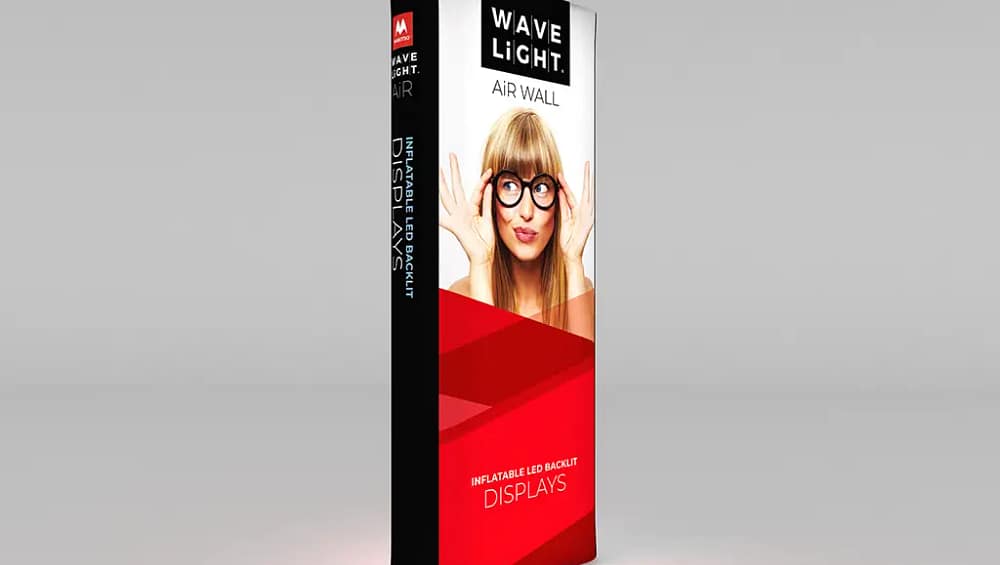
WaveLight® Air Wall Displays vs. Traditional Lightboxes: A Comparison
Australian marketers are under pressure to deliver big-brand impact while cutting freight, labour and set-up time. WaveLight® Air Wall Displays vs. Traditional Lightboxes: A Comparison has become a live question for teams planning busy roadshows, pop-ups and retail activations across multiple states. Both options promise crisp, illuminated event display walls that lift brand visibility, but they differ sharply in how they travel, install and scale across an annual calendar. Understanding these trade-offs is crucial for anyone responsible for managing budgets, timelines and on-site risk.
How WaveLight® Air Wall Displays work in practice
WaveLight Air Walls are inflatable trade show backdrops built around an internal air chamber and integrated LED system. Once inflated, they form lightweight backlit booth walls that stand freely and wash light evenly across a tension-fabric graphic. The printed skins function much like custom fabric banners, sliding over the frame and zipping closed to create a seamless finish. When deflated, the wall packs into a compact trade show signage case that fits easily into a car boot or standard airline luggage, making them ideal portable display solutions for regional and interstate events.
Traditional lightboxes and fixed illuminated graphics
Traditional lightboxes rely on rigid aluminium frames, opal acrylic faces and LED modules or, in older systems, fluorescent tubes. They remain a staple in shopping centres, corporate foyers and transport hubs where permanent, tamper-resistant branding is essential. These units deliver sharp, high-contrast SEG fabric backlit graphics that can integrate neatly into joinery and architectural features. However, their rigid construction, protective glazing and cabling add weight and bulk, which can complicate transport and installation for teams used to easy-setup exhibition displays and shorter venue access windows.

Portability, running costs and where each option fits
For brands running national roadshows or touring exhibitions, portability can outweigh every other factor. Inflatable walls act as lightweight exhibition stands that a small crew can set up in minutes with a pump and basic power. Traditional lightboxes may require multiple cases of extrusions, tools and licensed installers, especially in high-traffic retail spaces. Over a 12–24 month schedule, the reduced freight, labour and storage demands of portable LED backdrop systems can offset the initial purchase price. Fixed lightboxes, by contrast, make sense where you need long-term, hard-wired visibility and minimal day-to-day handling.
- Frequency of travel between cities and venues
- Available storage space for hardware and cases
- Venue rules around installation methods and access hours
- Need for reusable branded wall graphics versus permanent fixtures
- Desired balance between perceived solidity and logistical agility
When comparing WaveLight Air Walls with conventional lightboxes, start by mapping your next two years of campaigns and installations. A retailer might rely on permanent lightboxes in key stores while deploying inflatable units as supplementary illuminated event display walls for pop-ups, sponsorships and conferences. Event agencies often combine both, selecting fixed units for hero brand statements and inflatable systems for flexible zones, directional branding and sponsor rotations. For teams exploring options, speaking with a display specialist can clarify which mix best supports your objectives, budget and operational constraints. If you’re planning your next activation, book a consultation with an exhibition display expert to compare configurations and choose a solution that will work across all your upcoming events.


