
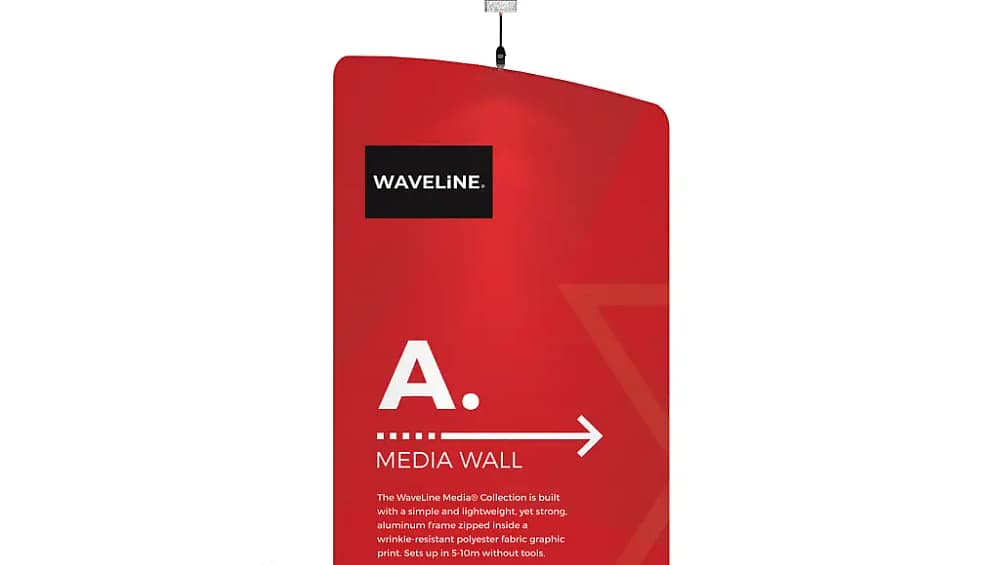
The Ultimate Guide to Transporting Waveline Media Banners
Transporting Waveline Media Banners around Australia can quietly undermine your event presence if it is not managed properly. While these fabric tension banner systems are designed for portability, they are also vulnerable to creasing, frame damage and print wear when rushed teams cut corners. As more brands rely on lightweight trade show displays for busy national schedules, the weak point is increasingly the journey between events, not the product itself.
Why Transporting Waveline Media Banners Is More Complex Than It Looks
The main risk is the gap between how carefully displays are handled during purchase and how casually they are treated on the road. Improvised packing, shared crates and overstuffed bags all expose components to unnecessary stress. Unlike simple portable banner stands, these systems rely on precise tension and alignment, so even minor bends or distortions can affect how graphics sit once installed, especially under bright exhibition lighting.
Hidden Risks That Damage Banners in Transit
Australian conditions magnify transport issues. Long regional drives, sudden temperature swings in utes or vans, and rough baggage handling on domestic flights can all accelerate wear. Aluminium tubes can develop subtle kinks, connectors can crack, and fabric can pick up dust, grease or moisture. Over time, this leads to sagging prints, warped frames and branded event signage solutions that no longer look sharp or on-brand when you arrive at a show.

Common Australian Transport Scenarios Where Issues Appear
Pressure points typically emerge during rushed bump-in and bump-out windows at convention centres. Teams may skip folding steps, stuff damp fabric into soft cases or leave components on dusty warehouse floors. Interstate exhibitors flying into Sydney, Melbourne, Brisbane or Perth often check hardware as oversize luggage with minimal padding. Regional roadshows across New South Wales, Queensland and Western Australia expose kits to constant vibration and loading in the rain, particularly when using open vehicles.
- Early creasing that does not relax after tensioning the fabric over the frame.
- Frame pieces with small kinks, dents or slightly oval ends that affect fit.
- Loose zips, fraying stitching or graphics that no longer sit perfectly taut.
- Missing screws or connectors, prompting staff to rely on tape or cable ties.
- Cases with broken zips, torn linings or hardware mixed with bare print surfaces.
These signs suggest your process is placing stress on what should be reusable exhibition graphics and hardware. Left unchecked, you may find supposedly easy-transport display kits becoming harder to assemble, less stable on the floor and visually inconsistent between events. For brands relying on modular exhibit backdrops and portable trade show backwalls to anchor their campaigns, that inconsistency quickly erodes perceived professionalism and trust.
The solution is not simply buying new gear, but reassessing how you move and store what you already own. Documented packing steps, purpose-built carry cases and clear responsibilities during bump-out can dramatically reduce damage rates. For organisations with complex roadshows or custom display solutions, speaking with specialists in trade show marketing tools can highlight simple changes before the next calendar fills. Now is the time to review your transport routine, identify weak spots and seek expert guidance so your compact booth display options keep performing event after event.
Before your next exhibition is locked in, take a moment to audit how your team handles Waveline Media Banners from warehouse to show floor. If you are seeing recurring issues, consider booking a consultation with a display or logistics expert to refine packing methods, explore portable banner stands alternatives or redesign storage. Acting now is far more cost-effective than discovering damaged graphics on opening morning when there is no time left to recover.


