
Why Easy Assembly Matters for Exhibitors
Trade show setups often happen within tight timeframes. Exhibitors may only have a few hours to prepare their booth before the exhibition doors open. This makes easy-to-assemble display equipment extremely valuable.
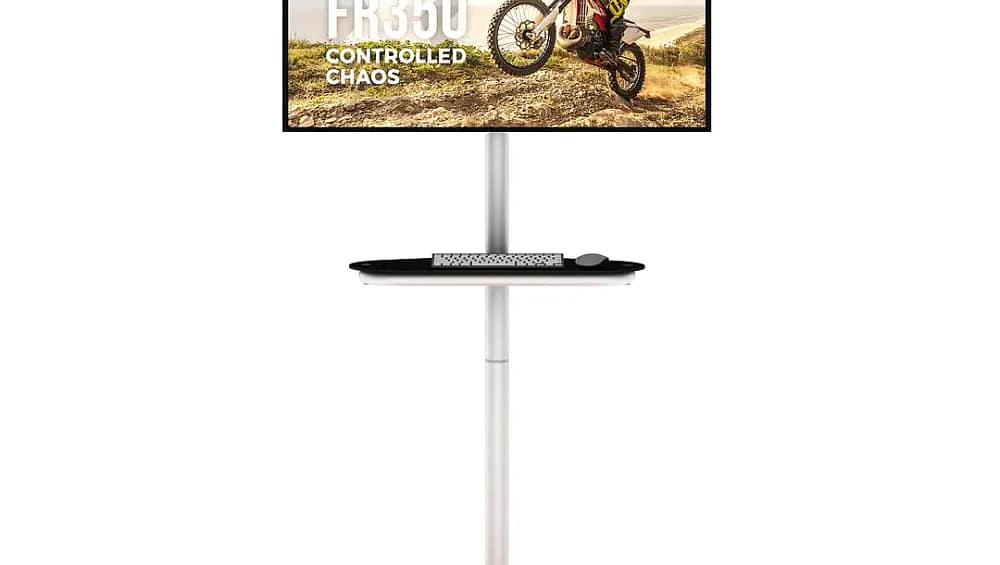
Modern Monitor & Tablet Stands are designed specifically with this in mind. Instead of complicated tools or lengthy installation procedures, most stands use modular components that connect quickly and securely. This allows exhibitors to focus on preparing presentations, organising marketing materials, and welcoming visitors rather than struggling with complicated setup instructions.
For businesses attending multiple exhibitions throughout the year, a simple assembly system also saves time and reduces stress during each event.
Components That Make Assembly Simple
Most Monitor & Tablet Stands are made up of a small number of well-designed components. These typically include a stable base plate, a vertical support pole, a mounting bracket for the monitor or tablet, and secure connectors or locking mechanisms.
Because these parts are engineered to fit together easily, the entire assembly process is straightforward. The base provides a solid foundation, while the support pole elevates the screen to a comfortable viewing height for visitors walking past the booth.
The mounting bracket is usually compatible with a wide range of devices, allowing exhibitors to use monitors or tablets depending on their presentation needs.
Step One: Setting Up the Stable Base
The first step in assembling a Monitor & Tablet Stand involves placing the base on the floor and securing the vertical support structure.
The base is designed to provide strong stability so the stand remains balanced even when visitors interact with the screen or tablet. Many exhibition stands use weighted bases or reinforced plates to ensure the structure stays secure throughout the event.
Once the base is positioned correctly, the support pole can be attached using simple locking bolts or quick-connect fittings.
Step Two: Installing the Vertical Support Structure
After securing the base, the vertical support pole is attached. This pole acts as the backbone of the stand and holds the screen or tablet at the correct viewing height.
Most modern stands feature lightweight aluminium components that are both durable and easy to handle. The modular design allows exhibitors to slide or lock the support pole into place without needing specialised tools.
This stage of the assembly process usually takes only a few minutes, making it ideal for exhibitors who need to set up multiple display elements quickly.
Step Three: Attaching the Monitor or Tablet Mount
Once the support structure is in place, the mounting bracket can be attached. This bracket is specifically designed to hold monitors or tablets securely while allowing easy adjustments.
Monitor mounts often follow universal VESA mounting standards, making them compatible with many screen sizes and models. Tablet holders are designed with secure grips that keep the device firmly in place while still allowing touch screen interaction.
After attaching the mount to the support pole, exhibitors can adjust the height or viewing angle depending on the booth layout.
Step Four: Mounting the Device and Final Adjustments
The final stage of assembly involves attaching the monitor or tablet to the mount. Once secured, exhibitors can connect power cables, HDMI connections, or charging cables depending on the device being used.
Many Monitor & Tablet Stands also include built-in cable management features that help keep wires organised and out of sight. This ensures the booth maintains a clean and professional appearance.
Once the device is mounted and powered on, exhibitors can test their presentation or digital content to ensure everything is ready before visitors arrive.
Enhancing Booth Engagement with Digital Displays
Digital displays can dramatically increase visitor engagement during exhibitions. Screens allow exhibitors to showcase promotional videos, product demonstrations, customer testimonials, and interactive presentations that capture attention on busy exhibition floors.
Using Monitor & Tablet Stands ensures these devices are positioned professionally and safely within the booth. Instead of placing screens on tables or holding tablets manually, exhibitors can create structured display points that invite visitors to interact with their content.
This organised presentation helps businesses stand out and deliver a more memorable exhibition experience.
Conclusion
Modern exhibitions demand engaging and professional displays, and digital screens have become an essential part of many exhibition booths. Monitor & Tablet Stands provide a simple and reliable way to integrate these devices into booth designs while maintaining stability and visual appeal.
With their straightforward assembly process, lightweight components, and adjustable mounts, these stands allow exhibitors to set up digital displays quickly and efficiently. This makes them an ideal solution for businesses participating in exhibitions, conferences, and trade shows across Australia.