
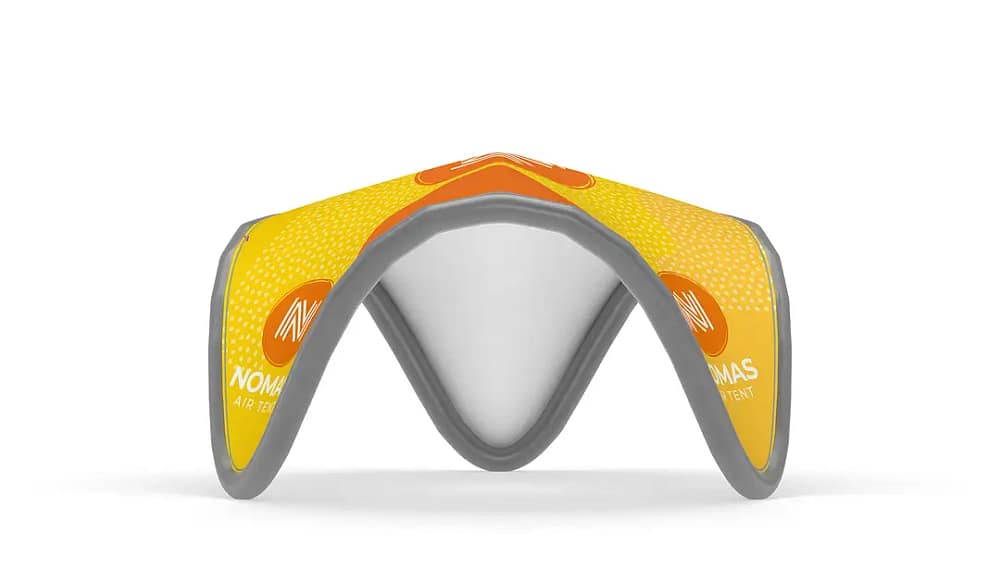
Outdoor events are an important part of marketing and brand promotion across Australia. Businesses regularly participate in trade shows, festivals, sporting events, and promotional activations where creating a visible and welcoming event space is essential. Traditionally, many exhibitors have relied on metal frame tents to provide shelter and structure. However, newer solutions such as Outdoor Inflatable Tents are quickly becoming a preferred option.
Faster Setup Compared with Metal Frame Tents
One of the most noticeable differences between inflatable tents and metal frame structures is the time required for setup. Traditional metal frame tents often involve assembling multiple poles, connectors, and support beams. This process can take considerable time and usually requires several people to complete.
Outdoor Inflatable Tents simplify this process dramatically. Instead of manually building a frame, the structure inflates using an electric pump. Within minutes, the tent expands and forms a stable shelter that is ready to use.
For exhibitors attending busy outdoor trade shows or brand activations, this faster setup saves valuable time and reduces stress during event preparation.
Lightweight Design Improves Portability
Metal frame tents can be heavy and difficult to transport due to their rigid structural components. Transporting these structures often requires larger vehicles and additional storage space.
In contrast, Outdoor Inflatable Tents are designed with portability in mind. Once deflated, the inflatable beams collapse into a compact form that can easily fit into a carry bag or transport case.
This makes inflatable tents ideal for businesses travelling between multiple exhibitions or promotional events across Australia. Marketing teams can transport their event setup more efficiently and reduce logistical challenges.
Fewer Structural Components to Manage
Another challenge with metal frame tents is the number of parts involved in assembly. Multiple poles, joints, brackets, and connectors must be organised and assembled correctly. Losing even a single component can make the tent difficult to construct.
Outdoor Inflatable Tents eliminate this issue by using integrated inflatable beams instead of separate metal pieces. The simplified structure reduces the number of components that exhibitors need to manage.
This design not only speeds up setup but also reduces the likelihood of missing parts or complicated assembly instructions during event preparation.
Large Branding Surfaces for Strong Visual Impact
For businesses participating in outdoor exhibitions, brand visibility is a key priority. The structure itself should contribute to marketing efforts rather than simply providing shelter.
Outdoor Inflatable Tents provide large, uninterrupted surfaces that can be fully customised with printed graphics. Logos, colours, and promotional messages can be displayed across the canopy and walls, turning the tent into a powerful branding feature.
Metal frame tents typically have limited areas available for graphics, which may require separate banners or signage. Inflatable tents combine shelter and branding into one integrated display solution.
Improved Flexibility Inside the Event Space
Metal frame structures often require internal poles or support bars that can limit the usable interior space. These structural elements may interfere with product displays, counters, or visitor flow within the booth.
Outdoor Inflatable Tents offer a more open interior layout because the inflatable beams form the structure along the outer edges. This creates a clear internal space that exhibitors can customise according to their event needs.
Businesses can set up product demonstrations, consultation areas, promotional counters, or seating zones inside the tent without structural obstacles interrupting the layout.
Durability for Outdoor Event Conditions
Outdoor events in Australia can expose equipment to wind, sunlight, and varying weather conditions. Event structures must therefore be strong enough to perform reliably in these environments.
Inflatable tents are constructed using durable materials designed to maintain stability once fully inflated. The air beam structure provides flexibility that can absorb movement caused by wind, helping maintain the overall shape of the tent.
This combination of strength and flexibility makes Outdoor Inflatable Tents suitable for many outdoor environments, including exhibition grounds, parks, and festival locations.
Cost Efficiency for Frequent Event Participation
For businesses that attend multiple events throughout the year, operational efficiency is an important consideration. Structures that require long setup times or complex transportation can increase event costs.
Outdoor Inflatable Tents help reduce these costs by simplifying logistics. Faster setup reduces labour time, compact storage lowers transportation challenges, and integrated branding reduces the need for additional signage.
Over time, these advantages can make inflatable tents a cost effective investment for companies participating in regular exhibitions or promotional campaigns.
Conclusion
Their fast setup, lightweight portability, simplified structure, and strong branding capabilities allow businesses to create professional outdoor event spaces with greater efficiency. Combined with flexible layouts and durable construction, inflatable tents provide a practical solution for a wide range of outdoor exhibitions.