
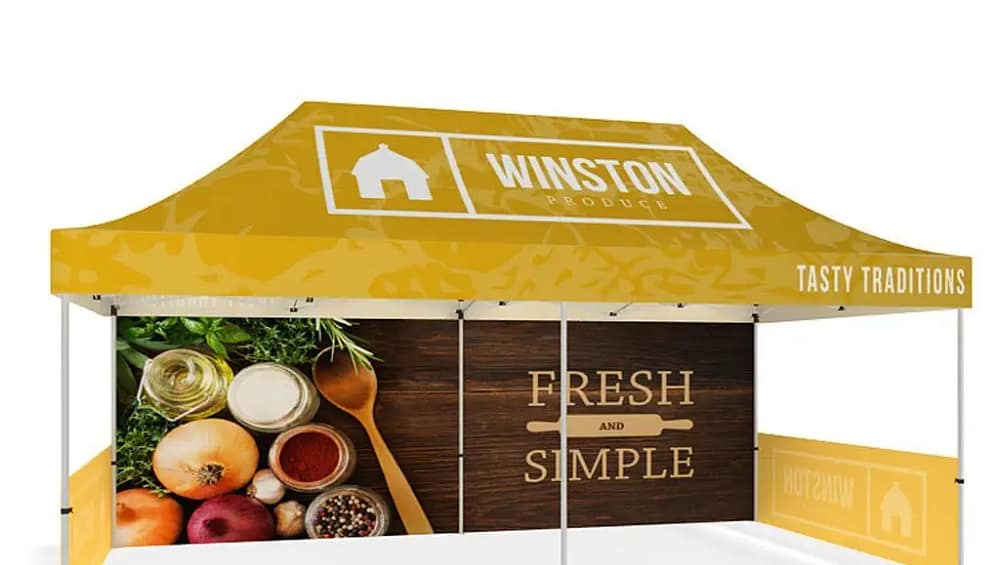
Outdoor events across Australia are incredibly diverse. From weekend markets and food festivals to major trade shows and corporate activations, businesses rely on professional setups that are quick to install and visually impressive. One of the most practical solutions for outdoor branding is the Outdoor Pop-up Tents system. These tents provide shelter, branding space, and a structured environment that helps businesses stand out in crowded event spaces.
If you are new to using event tents, you might wonder how complicated they are to assemble. The good news is that modern pop-up tents are specifically designed for fast, straightforward setup. With the right approach, most teams can assemble a professional event tent in just minutes.
Why Outdoor Pop-up Tents Are Ideal for Event Setups
Outdoor events require equipment that is reliable, portable, and easy to manage. Unlike permanent structures or complicated custom builds, pop-up tents are designed with efficiency in mind.
Exhibitors across Australia choose Outdoor Pop-up Tents because they offer a combination of durability and convenience. The frame expands quickly, the canopy attaches easily, and the entire structure creates a professional space for branding, product displays, or customer engagement.
Whether you are preparing for a local farmers market or a major outdoor expo, these tents help create a welcoming and organised booth environment.
Preparing Your Tent Before Assembly
Before beginning the setup process, it is important to prepare the components and choose the right location. Start by selecting a flat and stable surface that allows the frame to expand evenly.
Next, remove the tent frame and canopy from their transport bag. Most professional pop-up tents arrive partially pre-assembled, which means you will not need to deal with complicated hardware or tools.
Lay out the frame and confirm that all components are intact. Checking the parts before assembly ensures the setup process goes smoothly and prevents delays during busy event preparation.
Expanding the Frame Structure
The frame is the foundation of the entire tent system. Most modern pop-up tents use a scissor-style aluminium frame that expands outward when pulled from each corner.
To begin, position two people at opposite corners of the frame. Slowly pull the frame outward while keeping the legs aligned. As the structure expands, the roof supports will begin forming the tent shape.
At this stage, the frame should still be partially lowered. This allows the canopy to be attached more easily before fully raising the structure.
Attaching the Tent Canopy
Once the frame is expanded, the canopy can be installed. Place the printed canopy fabric over the top of the frame and align it with the corners.
Most Outdoor Pop-up Tents feature Velcro straps or secure attachment points that connect the canopy to the frame. Start fastening the canopy from the corners and work your way around the structure.
This process ensures the canopy sits evenly across the frame and prevents wrinkles or loose sections. A properly fitted canopy not only looks more professional but also performs better in outdoor conditions.
Raising the Tent to Full Height
With the canopy attached, the next step is raising the tent legs. Each leg typically includes a locking mechanism that allows you to extend the structure to its full height.
Working around the tent, lift each corner leg until the locking button or pin clicks into place. This secures the tent at its intended height and creates a stable structure.
Once all legs are locked, step back and check the alignment. The tent should appear evenly balanced with the canopy stretched smoothly across the frame.
Securing the Tent for Outdoor Stability
Outdoor conditions can vary greatly, especially at large Australian events where wind conditions may change throughout the day.
To ensure stability, tents should always be secured using weights, ground pegs, or anchor straps. Many event organisers require this as part of safety regulations.
Adding proper weight keeps the structure stable and protects both the tent and surrounding exhibitors. A well-secured tent ensures your setup remains safe and professional throughout the event.
Final Setup Tips for a Professional Event Booth
Once the tent is assembled, you can begin organising your event space. Many exhibitors place tables, banner stands, and promotional materials inside the tent to create a complete marketing environment.
Branded walls, flags, and counters can also be added to enhance the visual impact of your booth. When combined with a professional canopy, these elements help create a strong presence that attracts visitors.
Outdoor pop-up tents work particularly well for product demonstrations, information booths, registration areas, and hospitality setups.
Creating a Reliable Outdoor Event Presence
Successful outdoor events require equipment that balances convenience, durability, and branding impact. Outdoor Pop-up Tents offer a simple yet highly effective solution that allows exhibitors to create professional spaces quickly and efficiently.
By following a clear step-by-step assembly process, businesses can set up their event booth confidently and focus on engaging with visitors rather than struggling with complicated equipment.