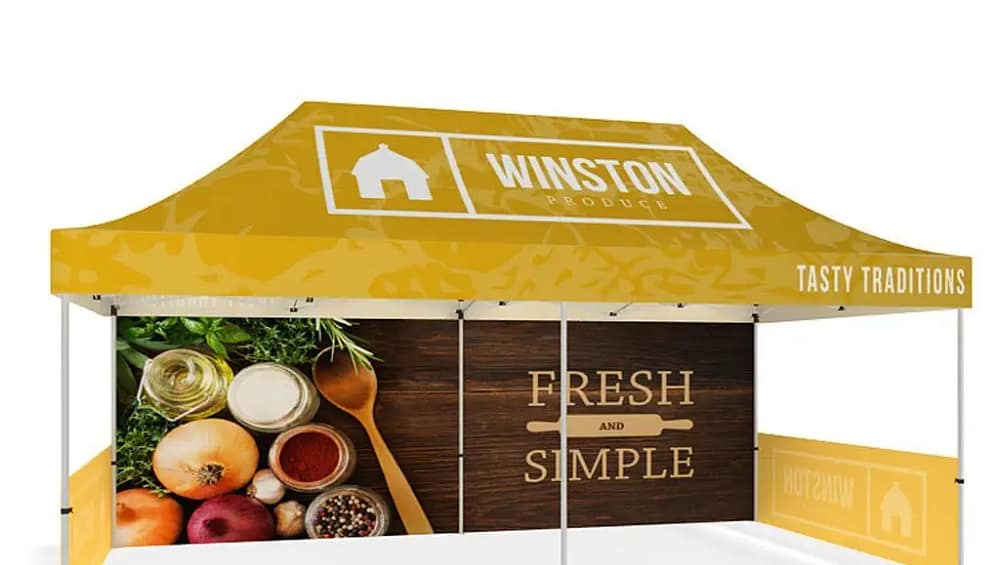
Outdoor exhibitions, community markets, and promotional events are extremely popular across Australia. Businesses attending these events need equipment that can be installed quickly while still presenting a polished and professional appearance. One of the most reliable solutions for outdoor event setups is Outdoor Pop-up Tents. These tents are designed with simplicity and efficiency in mind. Unlike complex structures that require tools and lengthy assembly times, pop-up tents are built to expand quickly and create a functional event space within minutes.
Why Simple Assembly Matters for Outdoor Events
Outdoor events often have strict setup schedules. Vendors at markets or exhibitions are usually given a limited window to unload equipment and prepare their display area before the event begins.
This is where Outdoor Pop-up Tents provide a major advantage. Their user-friendly design allows exhibitors to assemble a professional tent structure quickly without needing specialised tools or complicated instructions.
A fast setup process allows businesses to focus on arranging products, preparing marketing materials, and engaging with visitors rather than spending valuable time assembling their booth structure.
Pre-Assembled Frame Design Simplifies Setup
One of the key features that makes pop-up tents easy to assemble is their pre-engineered frame structure. The frame arrives mostly assembled and only needs to be expanded into position.
The frame typically uses a scissor-style design made from strong yet lightweight aluminium. When the tent is removed from its transport bag, the frame can be pulled outward from each corner to begin forming the structure.
This pre-assembled frame system eliminates the need for bolts, loose components, or complicated installation steps. Exhibitors can quickly expand the structure and move on to the next stage of setup.
Expanding the Tent Frame
The first major step in assembling the tent is expanding the frame. Two people can easily perform this step by standing at opposite corners and gently pulling the frame outward.
As the frame expands, the internal support bars automatically form the roof structure. This design ensures the tent maintains proper alignment while being opened.
At this stage, the tent frame should remain partially lowered. Keeping the frame at a lower height allows the canopy to be attached more easily in the next step.
Attaching the Printed Canopy
After the frame is expanded, the canopy fabric can be installed over the top of the structure. The canopy is typically custom printed to display brand colours, logos, and promotional messages.
The fabric canopy is positioned over the frame and attached using built-in fastening points such as Velcro straps or corner connectors. These attachments hold the canopy securely in place while maintaining a smooth and professional appearance.
Properly installing the canopy ensures the graphics remain clearly visible and the tent structure looks organised and visually appealing.
Raising the Tent to Its Full Height
Once the canopy is secured, the tent legs can be extended to raise the structure to its full height. Each leg usually includes a locking mechanism that clicks into place once the desired height is reached.
Exhibitors simply lift each corner leg until the locking pin secures the frame. This creates a stable structure that is ready to support the canopy and any additional event accessories.
Raising the tent is typically one of the quickest steps in the assembly process and completes the overall structure.
Securing the Tent for Outdoor Conditions
Outdoor events can involve unpredictable weather conditions such as wind or uneven surfaces. Because of this, properly securing the tent is an important part of the setup process.
Weights, ground stakes, or anchor straps should be used to stabilise the structure. Many event organisers across Australia require tents to be properly secured for safety reasons.
Securing the tent helps prevent movement and ensures the structure remains stable throughout the event.
Creating a Complete Event Booth Setup
Once the tent is fully assembled, exhibitors can organise the interior space to create a welcoming and functional booth. Tables, product displays, and promotional signage can be placed beneath the canopy to support marketing activities.
Many businesses also add banner stands or branded flags around the tent to enhance visibility from across the event space.
This combination of shelter, branding, and organised display space helps businesses create a strong presence at outdoor events.
A Practical Solution for Australian Exhibitors
For businesses attending markets, festivals, and outdoor trade shows, simplicity and reliability are essential. Equipment that takes too long to assemble can create unnecessary stress during event preparation.
This is why Outdoor Pop-up Tents are such a popular choice for exhibitors across Australia. Their straightforward assembly process, durable frame construction, and strong branding potential make them an ideal solution for outdoor event marketing.