
Adapting to Small Market Stall Spaces
Many outdoor markets and craft fairs provide limited booth space for vendors. In these environments, exhibitors must make the most of a small area while still presenting their products clearly.
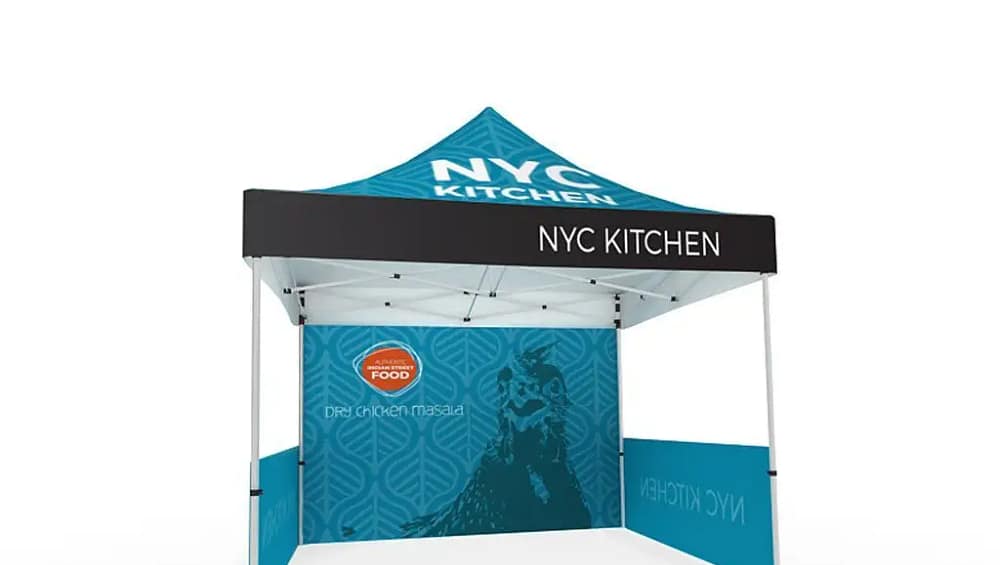
Outdoor Pop-up Tents are well suited to these situations because they are available in compact sizes that fit neatly within standard market stall dimensions. The structure creates a clearly defined space where vendors can place tables, product displays, and signage.
Even in a small area, the tent helps organise the stall while providing shade and protection from outdoor elements. This makes the display more comfortable for both staff and customers.
Expanding for Larger Exhibition Areas
Some outdoor events provide larger exhibition spaces that allow businesses to create more elaborate displays. Trade shows, agricultural exhibitions, and promotional festivals often include booth areas where companies can showcase multiple products or demonstrations.
In these settings, Outdoor Pop-up Tents can be used to create a larger branded display environment. Exhibitors can place multiple tables, banners, and display stands inside the tent while maintaining clear visitor flow.
Some businesses also combine multiple tents side by side to create expanded event spaces. This approach allows exhibitors to accommodate larger crowds while maintaining a consistent and professional display structure.
Working Well in Open Outdoor Environments
Outdoor events often take place in open environments such as parks, waterfronts, sports fields, or town squares. These locations typically provide large open spaces without permanent structures for shelter.
Pop-up tents help transform these open areas into organised exhibition spaces. The tent structure acts as a temporary booth that defines the exhibitor’s location within the event.
By using Outdoor Pop-up Tents, businesses can create clearly recognisable display areas even in wide open venues. Visitors can easily identify each booth while moving through the event.
Adjusting Layouts for Different Event Foot Traffic
Every event has a different level of visitor traffic. Some markets may have steady but moderate visitor flow, while large festivals may attract thousands of attendees.
Pop-up tents allow exhibitors to adjust their internal layout to match these traffic conditions. For high traffic events, businesses may use open layouts that allow visitors to enter from multiple directions. For smaller events, exhibitors might use a front counter layout that focuses interactions in a single area.
This flexibility ensures that Outdoor Pop-up Tents can support both intimate customer interactions and busy promotional environments.
Custom Wall Options for Environmental Conditions
Outdoor environments can vary depending on the event location. Some events may experience strong sunlight, wind, or occasional rain. Pop-up tents include optional wall panels that help exhibitors adapt to these conditions.
Full walls can be added to provide extra protection from wind or weather. Half walls can create structured counters for customer interaction. Open wall configurations can maximise airflow and accessibility during warm weather events.
These adaptable features allow businesses to modify their tent setup depending on the environment they encounter.
Supporting Different Marketing Activities
Event spaces may also differ based on the type of marketing activity taking place. Some businesses focus on retail sales, while others conduct demonstrations, distribute samples, or host promotional activities.
Because Outdoor Pop-up Tents offer flexible interior space, exhibitors can adjust their layout depending on the purpose of the event. A vendor might use tables for product sales at a market, then switch to a demonstration layout for a promotional campaign.
This adaptability makes pop-up tents suitable for a wide range of marketing strategies.
Easy Setup for Changing Event Locations
Businesses that regularly attend events often travel between different venues across Australia. Each location may have different setup requirements or available space.
Outdoor pop-up tents are designed for quick assembly and disassembly, making them easy to reposition or adjust at different venues. The collapsible frame expands quickly, and the entire structure can be assembled without complicated tools.
This ease of setup allows businesses to adapt their display efficiently whenever the event space changes.
Conclusion
Outdoor events rarely follow the same format. Different venues, booth sizes, and visitor traffic patterns require display solutions that can adapt easily.
Outdoor Pop-up Tents provide the flexibility businesses need to succeed in these environments. Their portable design, adjustable layouts, and optional wall configurations allow exhibitors to customise their setup depending on the event space.