
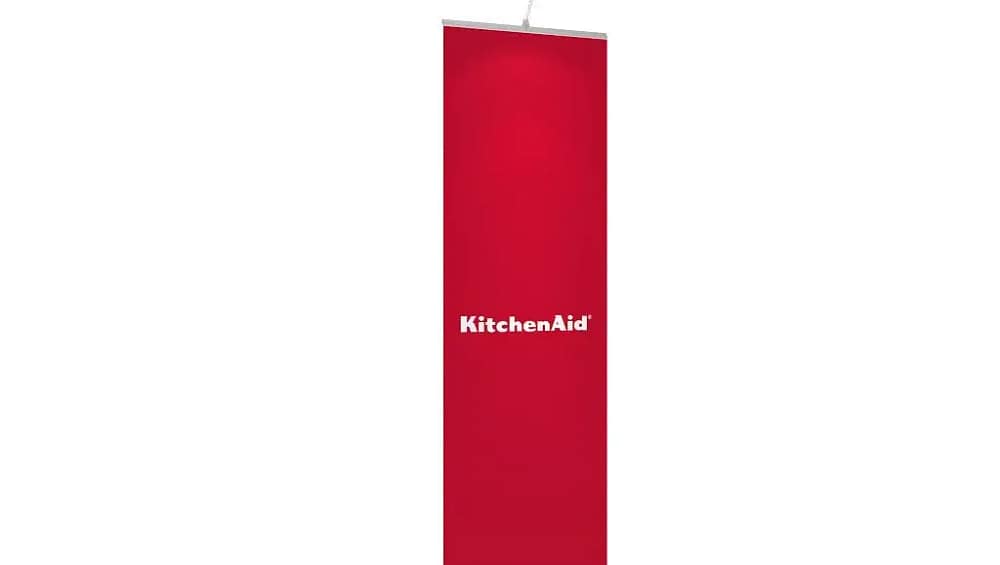
Where Pull-Up Banners Shine: Top Applications for Branding & Promotion
Updated: December 02, 2025
Pull-up banners are a simple and powerful way to make your brand visible in almost any setting. They combine tall, attention-grabbing format with lightweight portability, and therefore they deliver high-impact messaging without the complexity of large exhibits. In the following product-focused guide, you will learn how these banners work, what to look for in specifications, and why they are an ideal choice for teams that need fast setup and consistent branding results.
General Information
Pull-up banners are freestanding vertical displays that retract into a compact base. Because they require no permanent installation, they adapt easily to trade shows, retail spaces, corporate lobbies, and pop-up events. For marketers and event teams, this means you can deploy a professional display in minutes, and then pack it away for storage or transport.
Specifications
Typical pull-up banners range from 800 mm to 1200 mm in width and 1600 mm to 2200 mm in height, and they weigh between 2 and 6 kilograms depending on the base material. The print area usually uses high-resolution dye-sublimation or solvent-printed vinyl, which ensures crisp graphics and readable text. Additionally, many models include adjustable poles to fine tune tension, which keeps the graphic flat and wrinkle free for clear visibility.
Product Highlights
When selecting a pull-up banner, focus on durability, print quality, and ease of use. For example, anodized aluminum bases resist corrosion while remaining lightweight. Also, slip-resistant feet increase stability on smooth floors. Furthermore, many products include a protective carry case that prevents scuffs during transit. These features combine to reduce downtime and preserve a polished look across multiple events.
Design Features
Design considerations affect how well your message reads at a distance. Consequently, choose bold headings, high-contrast colors, and concise copy so viewers can grasp the message in seconds. In addition, bleed-safe printing and edge-to-edge graphics allow for seamless visuals. Many pull-up banners also support double-sided graphics for aisles and open-floor environments where viewers approach from different directions.
Material Quality
The material of the banner and base determines longevity. Premium vinyl or polyester blends resist creasing and fading, and they accept UV coatings for additional outdoor use. Moreover, reinforced base housings and steel internal mechanisms extend the product life, which makes the banners a cost-effective investment for repeated campaigns.
Portability and Setup Process
Portability is a major advantage. Most units slide into a soft or padded carry bag, and because they are lightweight, a single person can handle them easily. Setup is straightforward: retract the graphic, extend the pole, and hook the graphic into the base. As a result, you will be exhibition-ready in under two minutes. When dismantling, the graphic rolls back into the base to protect the print, and then you simply zip up the carry case for transport.
Use Cases
Pull-up banners excel across a variety of scenarios. Retailers use them for seasonal promotions and new product launches, and corporate teams use them for reception branding and conference backdrops. Likewise, recruiters find them effective at career fairs, while education providers place them in open days for clear directional signage. Because they are flexible and reusable, you can deploy the same banner across multiple campaigns and locations with minimal effort.
Conclusion
In summary, pull-up banners offer a balanced combination of visibility, portability, and professional presentation. They perform well for short-term promotions and long-term brand reinforcement, and therefore they represent an efficient choice for any marketing toolkit. To view a range of ready-to-order and customizable options, explore our dedicated Pull-Up Banners page and find the model that matches your event goals and budget.