
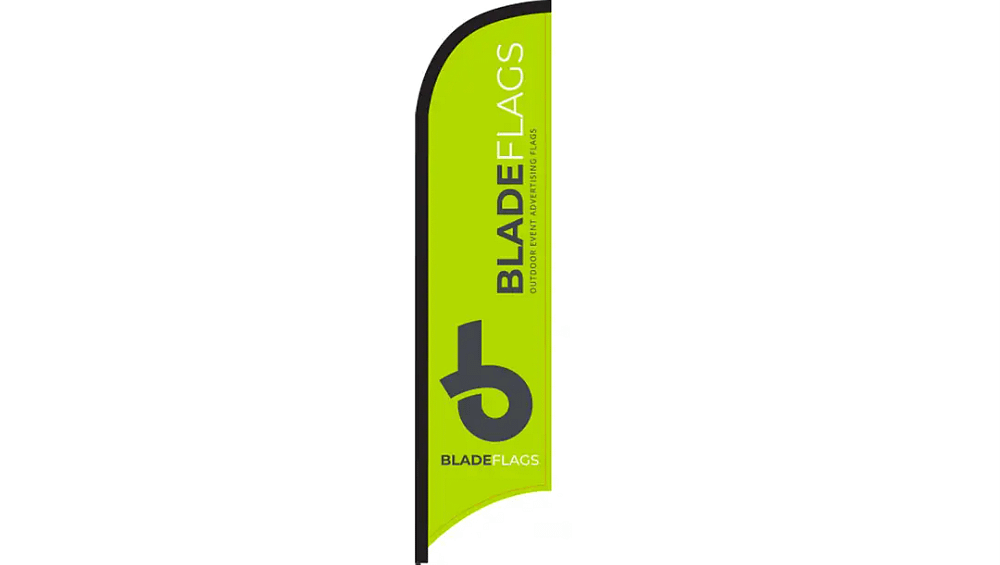
Where Flag Stands Shine: Key Applications for Marketing & Visibility
Updated: December 02, 2025
Introduction
Flag stands are a high-impact marketing tool that deliver visibility and movement. For businesses aiming to attract attention at storefronts, trade shows, roadside promotions, and special events, flag stands provide clear visual signaling and brand reinforcement. Moreover, they combine portability with professional presentation, so teams can deploy them quickly and consistently.
General Information
Flag stands come in a variety of heights, shapes, and base options. As a result, they can be matched to venue size and audience distance. In addition, modern flag stands are designed to resist wind and weather, which means they perform well both outdoors and indoors. For marketers, this reliability translates to fewer replacements and more consistent exposure.
Specifications
Sizes and Dimensions
Flag stands typically range from tabletop sizes to tall teardrop and feather designs that reach several meters. Therefore, you can choose a scale that fits a sidewalk, showroom, or stadium concourse.
Materials and Bases
Most models use aluminum poles and reinforced textile flags. Consequently, they balance lightweight handling with structural strength. Meanwhile, base options include cross bases, water-filled bases, and weighted plates for added stability in windy conditions.
Design Features
Flag stands feature quick-release poles, tension systems for wrinkle-free graphics, and replaceable flag skins. Furthermore, vibrant UV-resistant inks maintain color fidelity under prolonged sun exposure. Thus, your brand looks sharp during extended campaigns.
Material Quality
High-grade polyester or knitted fabrics are common, and they wick moisture while drying fast. In addition, anodized aluminum and stainless steel fittings prevent corrosion. As a result, the lifecycle of a premium flag stand extends through multiple seasons of use.
Portability and Storage
Flag stands collapse into compact travel bags, and parts are designed for tool-free assembly. Therefore, small marketing teams can transport multiple units in a single vehicle. Also, storage is simplified because the flags lay flat and the poles nest together, which reduces warehouse space requirements.
Setup Process
Setup takes minutes, and instructions are intuitive for first-time users. First, assemble the base, then insert the pole segments, and finally attach the flag skin using the built-in fasteners. Consequently, crews save time during event load-ins and changeovers.
Use Cases
Flag stands work well for grand openings, parking direction, promotional offers, and booth identification. For example, retailers can drive foot traffic with sidewalk flags, while exhibitors can mark booth locations at trade shows. In addition, community festivals and sporting events use flag stands to create branded zones.
Product Highlights
Key benefits include high visibility, easy customization, and low cost per impression. Furthermore, the scalability of sizes and accessories makes flag stands a versatile investment. Consequently, marketing teams can experiment with placement and design while keeping costs predictable.
Components
A standard flag stand kit includes a printable flag, pole sections, a base, and a carry bag. Additionally, optional accessories such as sandbags and spike bases increase outdoor stability. Therefore, you can configure each kit to match the intended environment.
Where to Find Matching Options
For a complete selection of styles, bases, and replacement skins, browse our full range of products on the Flag Stands page.
Conclusion
In short, flag stands are an essential tool for businesses seeking cost-effective visibility. Because they combine durable materials, quick setup, and strong visual impact, they fit a wide variety of marketing scenarios. As a result, investing in quality flag stands helps you attract attention, guide customers, and reinforce your brand presence reliably.