
Updated: December 02, 2025
How Businesses Use Flag Stands for Brand Awareness & Customer Attraction
Introduction
Flag stands are a high-impact promotional product designed to elevate brand visibility at events, storefronts, and roadside promotions. They attract attention through height and motion, and because they are versatile, they suit a wide range of marketing needs. Therefore, investing in the right flag stand can directly increase foot traffic and reinforce brand recognition.
General Information
Flag stands are freestanding display systems that hold printed banners in vertical formats. They come in multiple sizes, and depending on the model, several base options provide stable support on different surfaces. As a result, businesses can choose units that match their location, audience, and budget.
Specifications
Most flag stands include a lightweight pole system, printed fabric or vinyl flags, and a base that suits indoor or outdoor use. For example, standard heights range from 2.5 meters to 4 meters, and printing options include single-sided and double-sided graphics. Additionally, hardware is often made from aluminum or fiberglass for strength without added weight.
Product Highlights
Flag stands offer quick visual impact and long-term durability. Furthermore, they are designed for easy graphic interchange, which means you can refresh messaging for seasonal campaigns or special events. For businesses seeking multiple display options, explore our full range of products on the Flag Stands page.
Components
Typical components include a printed flag, a vertical pole or mast, support fittings, and a base. Moreover, some kits add a carry bag and spike or cross base for outdoor anchor points. Consequently, you can customize each assembly to match wind conditions and ground surfaces.
Design Features
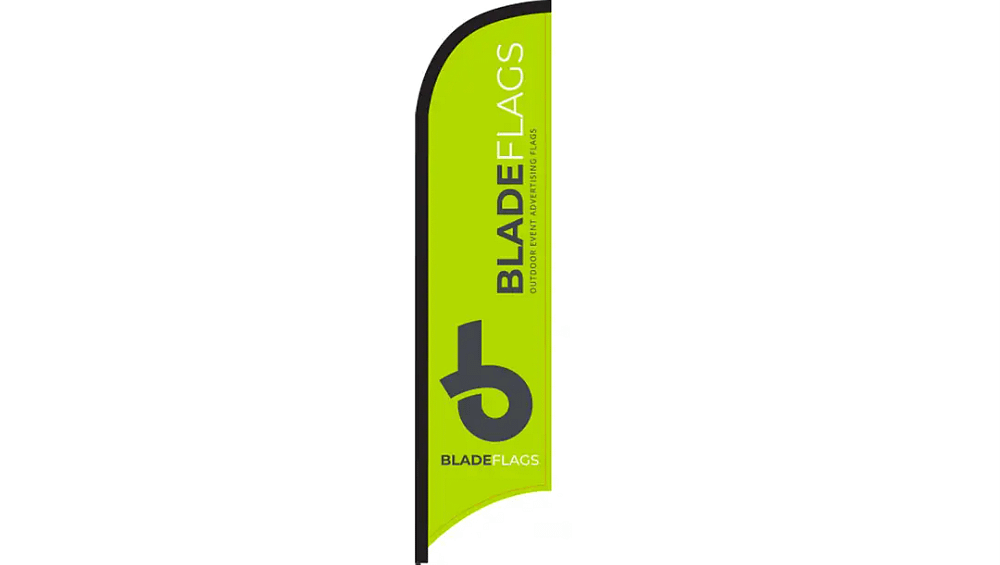
Design features focus on visibility and branding. For instance, tapered or feather-shaped flags offer a modern silhouette, while rectangular teardrop styles maximize printable area. In addition, pole construction often includes tension systems that keep graphics taut, so branding appears crisp and readable from a distance.
Material Quality
High-quality flag stands use UV-stable inks and fade-resistant fabrics for outdoor longevity. Furthermore, aluminum poles resist corrosion, and reinforced base fittings extend product life. As a result, investing in premium materials reduces lifecycle cost and maintains professional presentation over time.
Portability
Portability is a major advantage. Most flag stands pack down into compact travel bags, and because components are lightweight, a single staff member can handle setup and transport. Therefore, they are ideal for roadshows, pop-up promotions, and temporary retail activations.
Setup Process
Setup typically takes only a few minutes and requires no special tools. First, assemble the pole sections, and then attach the printed flag. Next, secure the pole into the base and check tension. Finally, position the unit for maximum visibility. Because the process is straightforward, teams can redeploy displays quickly between events.
Use Cases
Flag stands perform well in retail, festivals, trade shows, and roadside advertising. For example, a cafe can place a flag near a sidewalk to draw in passersby, while an automotive dealer can use multiple stands to highlight promotions across a large lot. Additionally, event organizers use clusters of flags to mark entrances and guide attendees, and therefore improve event flow.
Conclusion
In summary, flag stands are versatile, portable, and effective tools for increasing brand awareness and attracting customers. They combine durable materials, simple setup, and striking design to deliver measurable marketing results. Consequently, businesses that choose the right flag stand can boost visibility and create consistent brand impressions across multiple locations.