
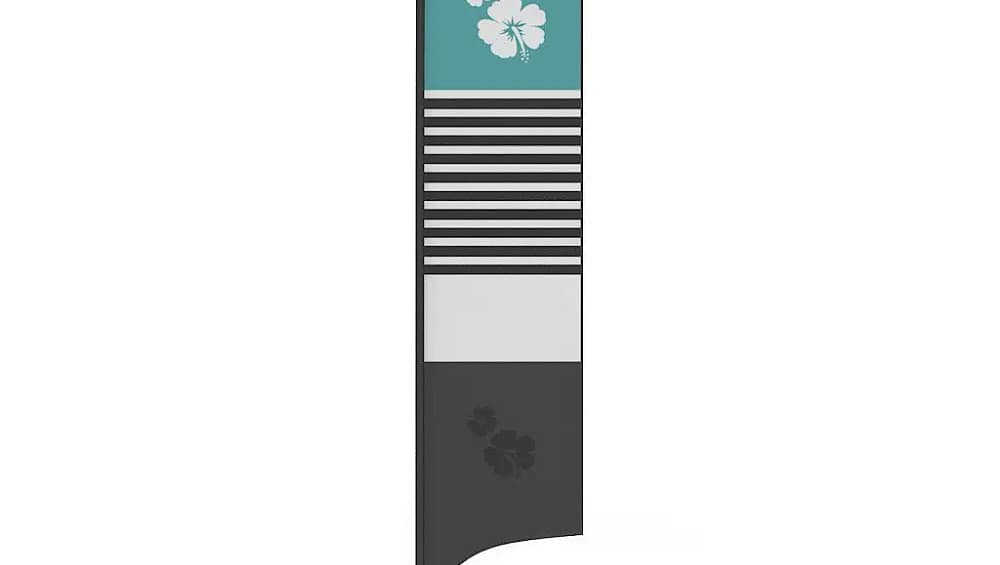
Updated: December 02, 2025
Affordable Display Solutions: The Budget Advantages of Flag Stands
Flag stands are a cost-effective way to achieve high visibility for your brand, and they work well for events, storefronts, roadside promotions, and trade shows. Furthermore, they combine tall presence and dynamic motion to attract attention, while remaining simple to transport and reuse. As a result, businesses get a reliable display tool that supports repeated campaigns without a large ongoing cost.
General Information
Flag stands are modular display systems that pair lightweight hardware with custom printed sails. In addition, they come in a range of heights and shapes, so you can select an option that suits your location and budget. Moreover, because the hardware is reusable, brands can refresh messaging by ordering new prints rather than replacing the entire unit.
Specifications
Standard specifications typically include multiple pole sections, a base plate or cross base, and a tensioning system for the print. For example, heights range from 2.5 to 5.5 metres, and print sizes vary to match each pole model. Additionally, bases are available in steel, water-fillable plastic, or heavy-duty cross bases for different terrain and wind conditions.
Product Highlights
Flag stands deliver excellent visual impact at a fraction of the cost of many digital alternatives. Therefore, they are ideal when you need visible, repeatable branding that performs outdoors. Furthermore, the ability to swap prints quickly means you can run seasonal promotions, swap logos for different events, and update offers without buying new hardware. For more options and configurations, browse our full range of products on the Flag Stands page.
Components
A typical flag stand kit includes a telescopic or sectional pole, a printed polyester or knitted polyester sail, a base, and a padded carry bag for transport. In addition, some kits include ground stakes and a weighted bag for windy locations. Consequently, each component is designed to reduce setup time and increase longevity.
Design Features
Modern flag stand designs focus on quick assembly and graphic presentation. For instance, printed sails are often hemmed with pole pockets or fitted with clip systems to stay taut. Moreover, options like double-sided printing and block-out layers ensure your artwork reads clearly from both directions. Therefore, these design choices maximize visibility and maintain crisp colors over many events.
Material Quality and Durability
Prints are usually produced with dye-sublimation or UV-stable inks on durable fabrics, so colors stay vivid even after repeated outdoor use. Likewise, pole sections are made from anodized aluminium or fiberglass to resist corrosion and reduce weight. As a result, you receive a product that balances longevity with affordability.
Portability and Setup Process
Portability is a major advantage of flag stands. Typically, units pack down into a compact bag that fits into a car, and setup takes only a few minutes without special tools. Consequently, teams can deploy signage quickly at pop-ups, trade shows, or roadside promotions. Moreover, reduced shipping volume lowers transport costs and makes storage easier between campaigns.
Use Cases
Flag stands work across many scenarios. For example, retailers use them to promote sales outside storefronts, while event planners place them along entrance paths to guide attendees. In addition, they perform well at roadside displays to capture passing traffic, and they enhance booth presence at trade shows. Because of their flexibility, you can mix and match sizes and bases to suit urban, indoor, or outdoor environments.
In conclusion, flag stands deliver strong return on investment due to reusable hardware, replaceable prints, and low logistics costs. Therefore, if you seek an affordable display solution that remains effective over time, flag stands are a practical choice that supports varied campaigns and environments. Ultimately, they help growing brands maintain consistent visibility while keeping costs under control.