
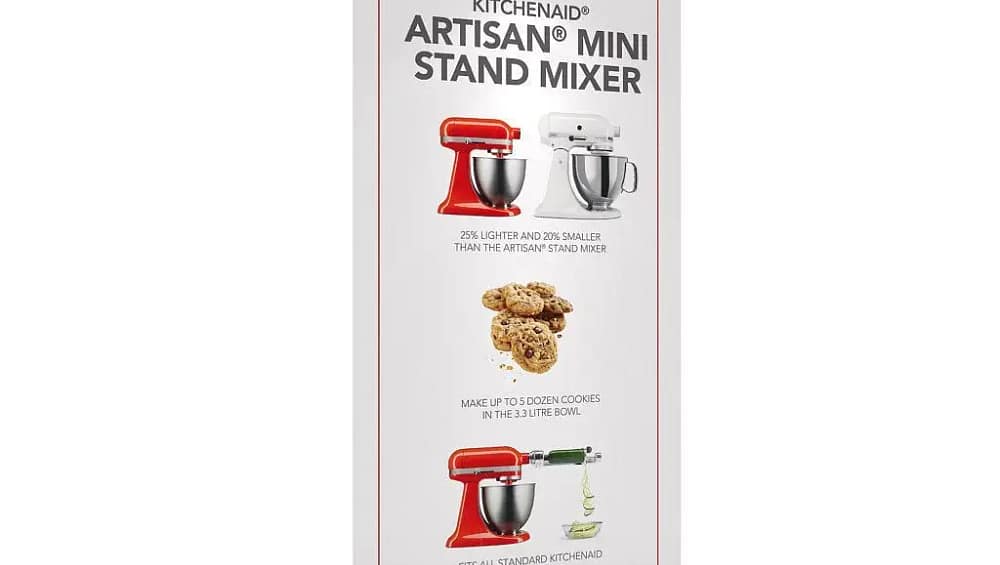
A Complete Breakdown of How Pull-Up Banners Are Installed On-Site
Updated: December 02, 2025
Introduction: Fast, Reliable Banner Setup
Pull-up banners deliver a professional display with minimal effort, and they are ideal for busy events. Moreover, they are designed so that a single person can complete setup quickly, and therefore you save time on the show floor. In the following sections, you will find a product-centered guide that explains components, setup steps, maintenance tips, and the key benefits that make pull-up banners a staple for exhibitors and marketers.
General Information
Pull-up banners, sometimes called retractable or roll-up banners, combine a printed graphic and a protective base. First, the printed panel stores inside the retractable base to avoid creasing and damage during transport. Consequently, when you arrive on site you only need to extend the support pole and raise the graphic into place. For more product options and variations, see our Pull-Up Banners page.
Specifications
Product specifications vary by model, and common options include single- or double-sided prints, multiple width sizes, and different base finishes. In addition, premium models often feature shock-corded poles, heavy-duty base plates, and magnetic or locking top rails. Generally, you should check material thickness, print resolution, and base weight to ensure stability in crowded venues.
Components and Design Features
A typical pull-up banner includes a retractable base, a top rail, a support pole, and the printed graphic. For durability, many units use aluminum bases and reinforced top rails, which resist bending and maintain tension over repeated use. Moreover, ergonomic handles and padded carry cases simplify transport and protect the print between activations.
Setup Process: Step-by-Step On-Site
First, remove the banner from its carry case and set the base on a flat surface. Next, unfold the support pole and secure its sections together, if applicable. Then, insert the pole into the base socket and carefully lift the printed panel until the top rail clicks into the pole or locking notch. Finally, adjust alignment and inspect for any wrinkles. This entire process typically takes less than a minute, and it works well even in busy exhibition halls.
Use Cases
Pull-up banners are ideal for trade shows, retail promotions, conference booths, and point-of-sale displays. In addition, they work well at reception areas and corporate events where clear brand messaging is required. For teams that travel frequently, retractable systems save time and reduce material wear compared to larger, more complex displays.
Material Quality and Maintenance
Choose vinyl or premium fabric prints depending on your visual needs, and make sure inks are rated for UV and abrasion resistance for longer life. Regular care is simple; wipe base and poles with a soft cloth, lower the graphic slowly to prevent snap-back, and store the system in its padded case. Consequently, with basic maintenance a well-made pull-up banner can last for years.
Portability and Storage
Because the roller mechanism stores the graphic inside the base, pull-up banners are compact when packed. Furthermore, most come with lightweight cases and travel handles so a single person can carry them. As a result, you gain convenience and lower shipping costs while maintaining professional presentation quality.
Product Highlights and Advantages
Pull-up banners combine rapid setup, durable components, and reusable hardware. Therefore they are cost-effective for repeat events, and they deliver consistent visual impact. Finally, choosing a model with replaceable graphics further reduces long-term expenses, as you can refresh messaging without replacing the entire unit.
Conclusion: Why Choose a Pull-Up Banner
In summary, pull-up banners offer fast assembly, portability, and dependable performance. Consequently, they remain a top choice for exhibitors and marketers who need a professional display with minimum hassle. With the right specifications and routine care, your pull-up banner will provide consistent results across multiple events and activations.